Introduction
A cluttered kitchen can slow down even the most experienced home chef. From digging for utensils to losing track of pantry items, inefficiency adds stress to cooking. That’s why kitchen storage and organization are essential for a smooth, enjoyable culinary experience. In this guide, we’ll provide a step-by-step blueprint for organizing your kitchen, share expert tips, and highlight storage solutions that maximize space and streamline every cooking session.
Step 1: Declutter and Assess Your Kitchen
The first step toward organization is understanding what you have.
Take Inventory
- List all kitchen supplies: cookware, utensils, small appliances, pantry items, and dinnerware.
- Identify duplicates, expired items, or gadgets you rarely use.
Categorize for Workflow
- Group items by function: prep, cooking, baking, serving, and cleaning.
- This lays the foundation for creating efficient kitchen zones.
Step 2: Create Functional Zones
Organizing your kitchen by workflow zones improves efficiency and reduces stress.
Prep Zone
- Store knives, cutting boards, mixing bowls, and measuring tools here.
- Use drawer dividers or utensil trays for quick access.
Cooking Zone
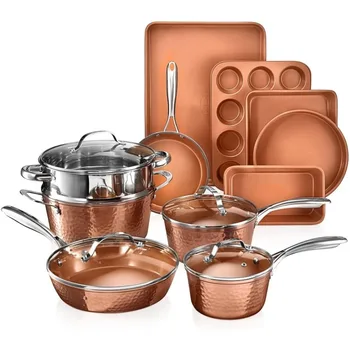
- Keep pots, pans, spatulas, tongs, and frequently used spices near the stove.
- Magnetic knife strips and hanging racks save space and make tools easily reachable.
Baking Zone
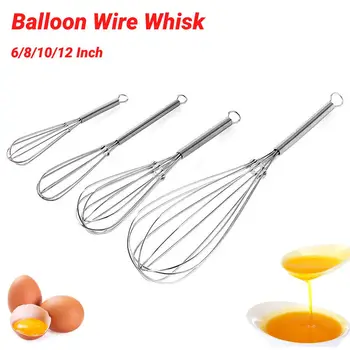
- Organize mixing bowls, measuring cups, whisks, and baking sheets.
- Stackable containers and labeled bins for flour, sugar, and chocolate reduce clutter.
Storage & Serving Zone
- Store dinnerware, serving utensils, platters, and glassware near the dining area.
- Shelf risers and pull-out drawers maximize vertical space.
Pantry & Dry Storage
- Group similar items: grains, canned goods, snacks, and baking essentials.
- Clear containers and labeled jars improve visibility and maintain freshness.
Step 3: Optimize Storage Solutions
The right tools can transform even a small kitchen into an efficient workspace.
Drawer and Cabinet Organizers
- Adjustable dividers, utensil trays, and pull-out shelves make drawers and cabinets functional.
- Lazy Susans and tiered racks optimize corner and deep cabinets.
Vertical Storage
- Wall-mounted racks, pegboards, and hanging rails free up counter space.
- Store frequently used items at eye level for convenience.
Countertop and Appliance Organization
- Use storage caddies for utensils, condiments, and small appliances.
- Appliances used daily should be accessible; rarely used items can be stored in cabinets.
Pantry Optimization
- Stackable, airtight containers maximize shelf space.
- Label everything for easier tracking and to prevent waste.
Step 4: Maintain an Organized Kitchen
Organization is an ongoing process, not a one-time task.
Weekly Tidy-Up
- Return items to designated zones after each cooking session.
- Check the pantry and fridge for expired items.
Seasonal Review
- Rotate seasonal cookware, bakeware, or specialty utensils.
- Adjust zones based on changes in cooking habits.
Minimalism
- Keep only items you use regularly.
- Donate or recycle duplicates and underused gadgets.
Trends in Kitchen Storage & Organization for 2026
- Eco-Friendly Materials: Bamboo racks, recycled containers, and biodegradable bins are gaining popularity.
- Modular Systems: Adjustable shelves and dividers fit any kitchen layout.
- Open Shelving: Combines aesthetics and functionality, displaying attractive cookware.
- Smart Storage Solutions: Pull-out pantry systems, drawer sensors, and labeling systems streamline organization.
Conclusion
A well-organized kitchen transforms cooking from stressful to enjoyable. By decluttering, creating functional zones, optimizing storage solutions, and maintaining routines, you can maximize space, streamline workflow, and save time.
Upgrade your kitchen today—explore our curated storage and organization solutions and make every cooking session smooth, efficient, and inspiring.


0 Comments