

My turning point came when I downsized my kitchen setup. Instead of cluttered cabinets filled with items I barely touched, I started focusing on the essentials—the things I actually used every day. That shift not only saved me money, it made cooking feel easier and more enjoyable.
Take my nonstick skillet, for example. It wasn’t expensive or from a luxury brand, but it quickly became the most reliable piece in my kitchen. Morning eggs slid right off the surface, pancakes cooked evenly, and cleanup took seconds instead of minutes. What I learned is that when you choose cookware with the right materials—like a solid base and a safe nonstick coating—you don’t need to overspend to get great performance. It’s less about the label and more about how it’s made.
The same lesson applied when I looked at cookware sets. I used to think more pieces meant more value, but in reality, I was only using a handful of them. Now, I stick to a few core items: a frying pan, a saucepan, and a stockpot. That’s it. Those three pieces handle almost everything I cook, from quick weeknight dinners to slow-simmered soups. Not only did this save money, but it also freed up space and simplified my routine.
Utensils were another area where I changed my mindset. I once bought cheap plastic tools that melted, warped, or scratched my pans within months. Switching to a simple set of silicone and wooden utensils made a noticeable difference. They’re gentle on cookware, easy to clean, and surprisingly durable. It’s one of those small upgrades that quietly improves your entire cooking experience.
Then there’s the chef’s knife—arguably the most important tool in any kitchen. I used to think I needed a full knife block to be “properly equipped,” but I found myself reaching for just one knife every time. A well-balanced, mid-range chef’s knife does nearly everything, from chopping vegetables to slicing meat. Once I invested in one that felt comfortable in my hand, prep work became faster and far more enjoyable. Pairing it with a simple sharpener kept it performing like new without any extra expense.
Cutting boards might not seem exciting, but having more than one made a bigger difference than I expected. I keep one for fruits and vegetables and another for raw proteins. It’s a simple habit that keeps things cleaner and more organized. I opted for a mix of bamboo and plastic—both affordable, both practical—and they’ve held up beautifully over time.
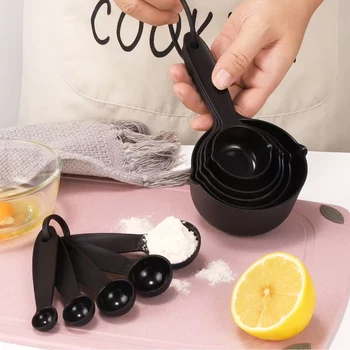
As I spent more time cooking at home, I also realized how essential the little things are. Measuring cups and spoons, for example, don’t cost much, but they make a huge difference in consistency, especially when baking. A sturdy baking sheet became another favorite—perfect for everything from roasted vegetables to quick sheet-pan meals. These aren’t flashy purchases, but they’re the kind you reach for again and again.
One of the most underrated upgrades I made was switching to better food storage containers. Instead of flimsy, disposable options, I chose reusable containers with tight-sealing lids. Not only do they keep leftovers fresher, but they’ve also helped cut down on waste—and repeated spending. It’s a small change that pays off over time.
What I’ve come to appreciate most is that taking care of your tools matters just as much as choosing them. Avoiding high heat on nonstick pans, using the right utensils, and washing items with a bit of care can extend their lifespan significantly. Even budget-friendly pieces can last for years when treated properly.
Looking back, I wish I had known all of this sooner. I could have saved money, avoided clutter, and enjoyed cooking a lot more from the start. But in a way, that trial-and-error process taught me what really matters: function over flash, quality over quantity, and intention over impulse.
If you’re building or refreshing your kitchen, don’t feel pressured to buy everything at once—or to spend beyond your means. Start with the essentials. Choose items that are practical, durable, and suited to how you actually cook. Over time, you’ll create a kitchen that feels just right—not because it’s expensive, but because it works.
And honestly, that’s where the real joy of cooking begins.


0 Comments